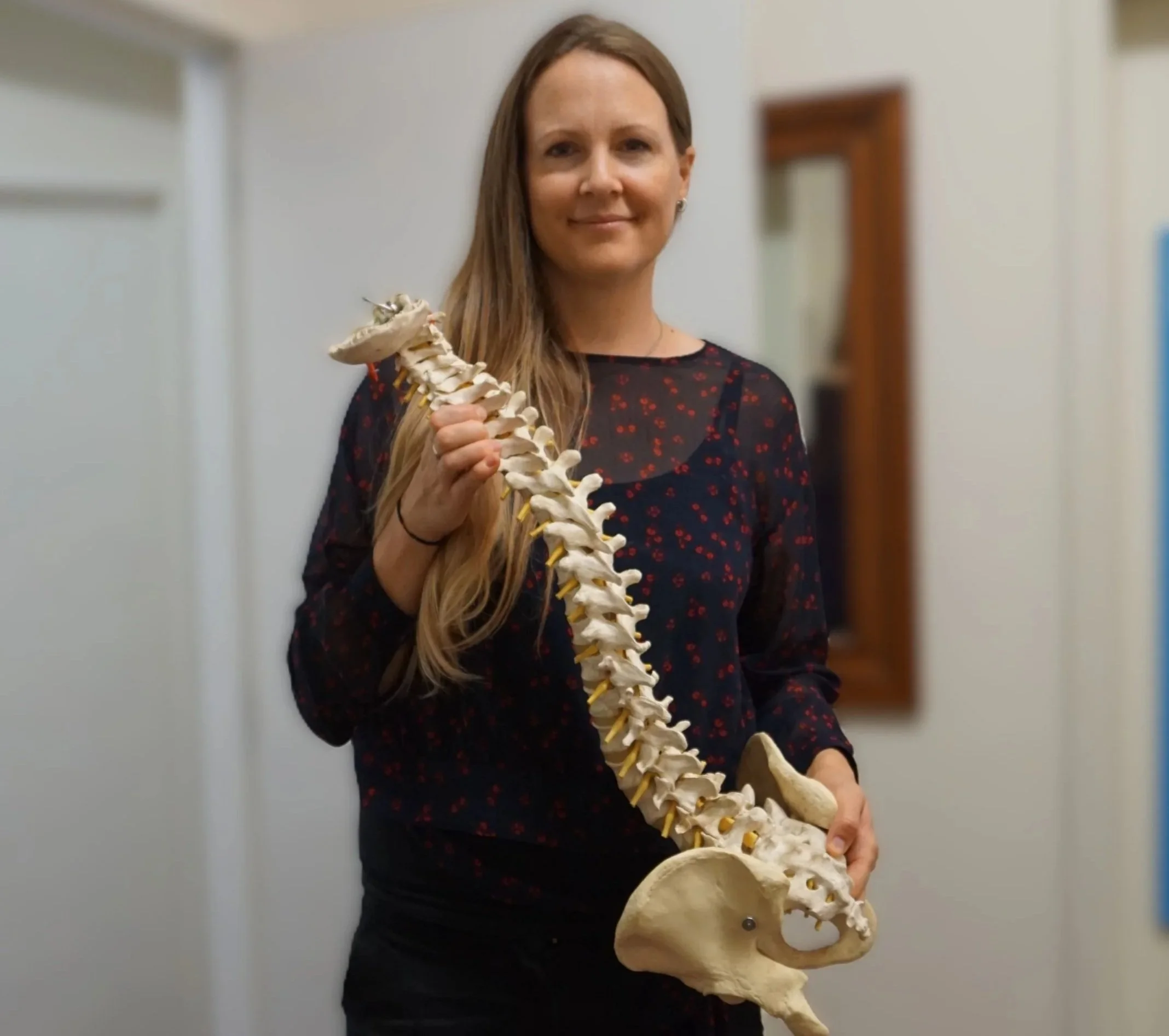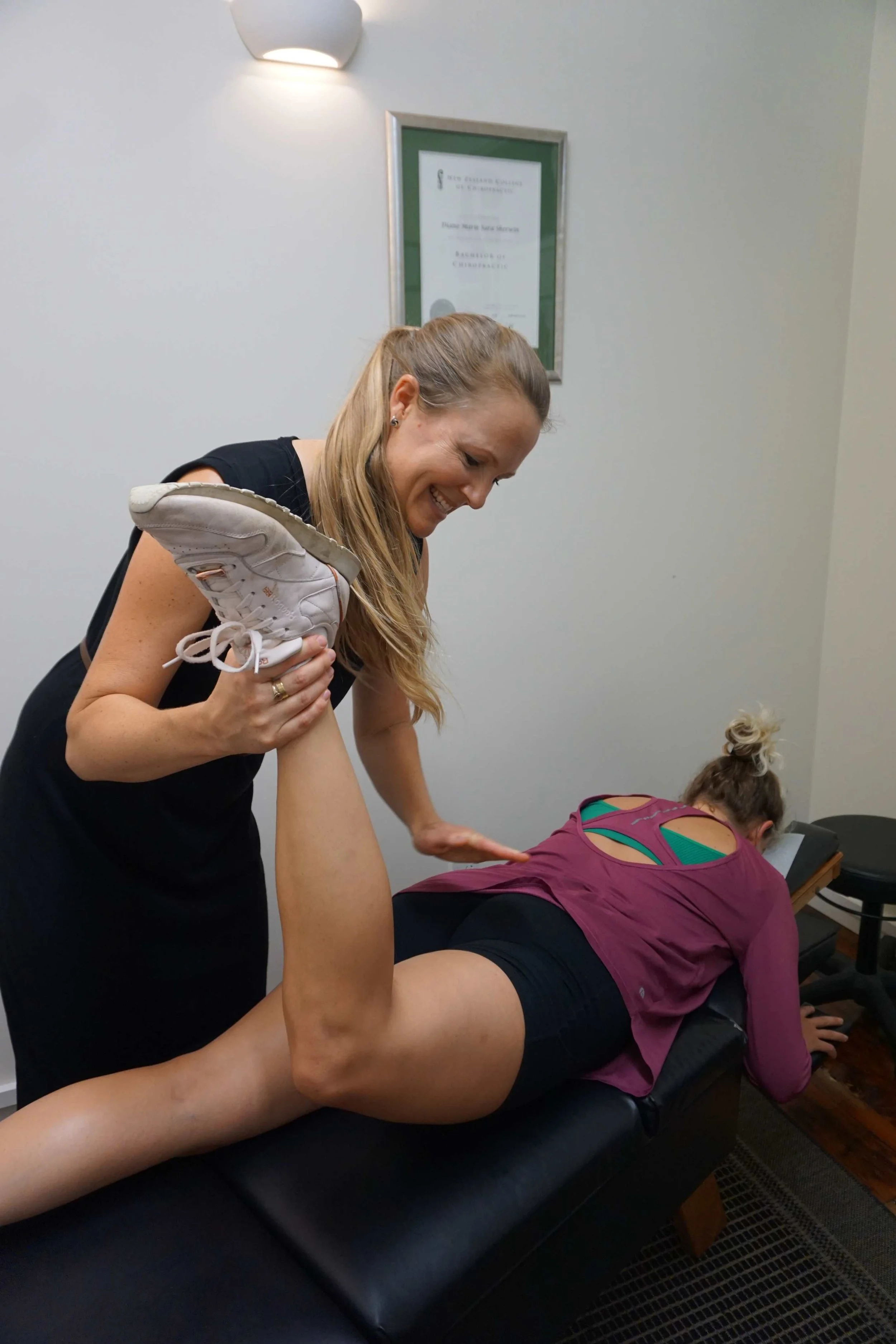

our fantastic chiropractor
Dr Diane Sherwin wanted to become a Chiropractor from the early age of 13. As a top New Zealand Junior runner, it was during a visit to the United States for athletics competitions she was introduced to Chiropractic through the family she stayed with. She has wanted to help people attain a great quality of life through Chiropractic care ever since. After successfully completing a 5 year degree at the NZ College of Chiropractic, Diane went on to become an associate at a long established family practice in West Auckland, locum for numerous busy Auckland Chiropractic office and for the last 16 years her own business here at Chirofit. She also worked with a leading Chiropractic researchers, and published in 2016 (see brain science article below).
Dr Diane has gained a vast array of adjusting techniques and a wealth of knowledge over many years to assist her patients in returning to optimal health and well-being. She is registration with the NZ Chiropractic board and is an ACC accredited provider. She is also one of a very select few Chiropractors to be a qualified Sport Chiropractic Practitioner in NZ. This combined with more than 20 years industry experience puts you in very safe, very skilled and highly professional hands.
With Chirofit having been partnered with a busy commercial central Auckland gym for 8 years, Diane has an experienced and knowledgeable great team of leading health professionals (nutritionist, personal trainers, massage therapists, physios) to provide the best support for you, enabling you to get back to 100% and do the things that you enjoy!
Chirofit provides Chiropractic care to central Auckland and the Hibiscus Coast, with many patients travelling in from the greater Auckland region for visits, such is Diane’s reputation for quality Chiropractic care and her warm and friendly attitude.
As a Hibiscus Coast local when she is not adjusting your spine you’ll find Dr Diane in the gym, at the beach or on the side of a sports field supporting her 3 daughters.